
Australia is home to a diverse group of nationalities, cultures, and lifestyles, with Australian brides often looking beyond the boundaries of their own shores for potential suitors. In recent years, international relationships have become increasingly popular in Australia, giving many Australian brides the opportunity to find a global match.
Australia brides are more open-minded than ever before when it comes to the prospect of international relationships, as their culture and beliefs are far more accepting of different nationalities and cultures. Many of these brides are also open to international travel, allowing them to connect with potential suitors abroad on their own terms. Moreover, many Australian mail order brides are inspired by their own cultural heritage and the rich tradition of travel and exploration.
When it comes to love and relationships, Australian brides are often willing to go the extra mile, particularly when it comes to international relationships. Not only do many of these brides have access to a ‘global village’ of potential partners, but they are often prepared to look beyond the traditional definitions of love and marriage in order to find someone that suits them.
The major benefit to international relationships is the ability to bridge cultural divides. Through global exposure, couples can gain a better understanding of one another, often building stronger and more meaningful connections compared to those in traditional relationships. Moreover, as modern-day Australians tend to be highly educated and technologically savvy, it is not difficult for couples to communicate and connect with each other from opposite sides of the world.
Moreover, Australia brides have a strong desire for adventure and exploration, making them ideal partners for journeying around the globe. Many of these brides are also open to trying new experiences, resulting in greater connection and mutual respect. This further helps to break down cultural boundaries and create a stronger bond.
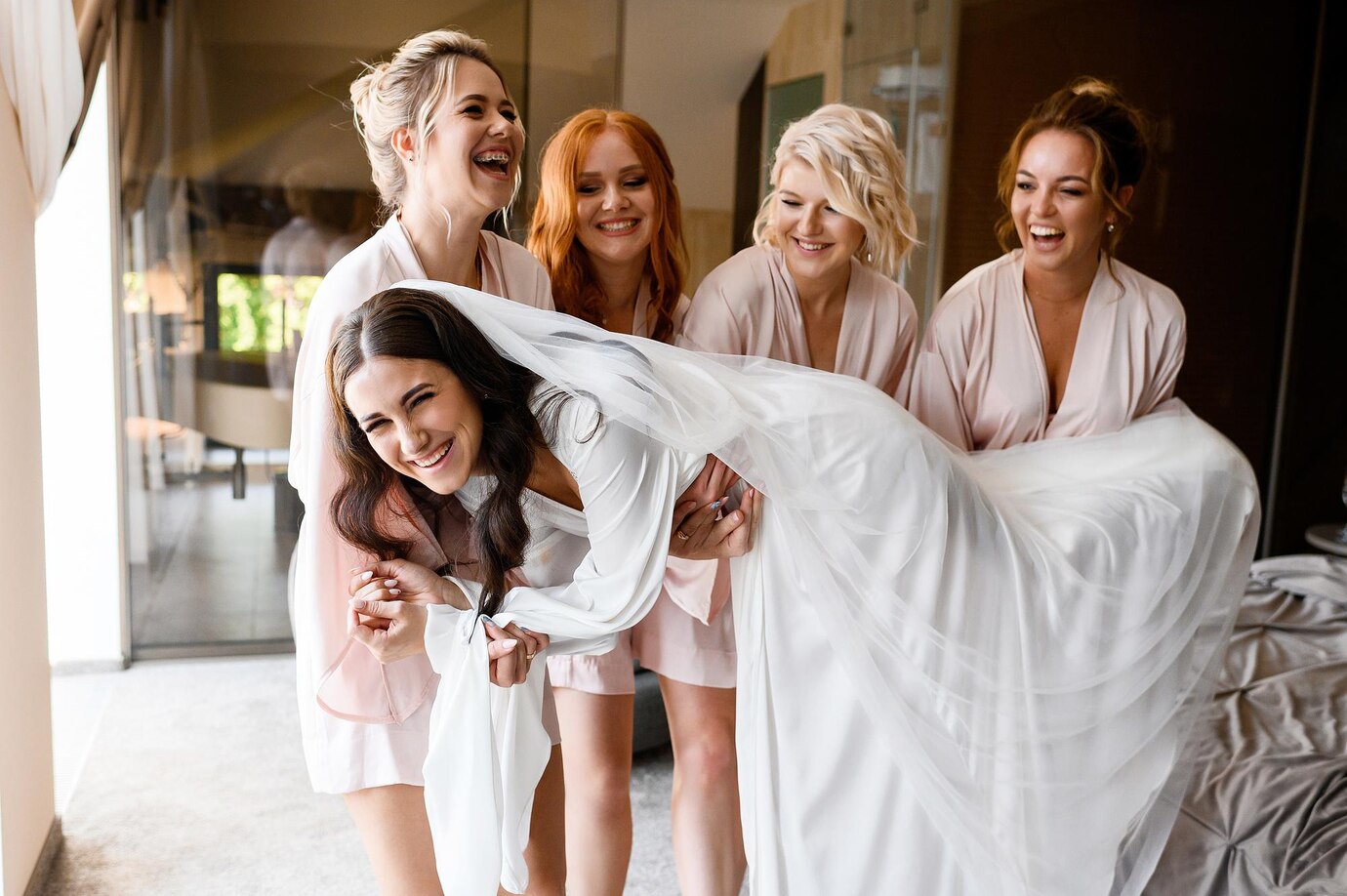
What Are the Key Characteristics of Australian Brides?
The beauty of the Australian landscape is reflected in the beauty of Australian brides. From the stunning coral reefs of the north to the majestic mountains of the south, Australian brides capture a true sense of the wild and unique in the natural world. Beauty and adventure combine in these wonderful bride and prejudice Australia, making them perfect for any wedding setting. So, what are the key characteristics of Australian brides?
- The confidence of Australian brides is an important distinction. They are never shy to express themselves in any situation, and they proudly strut the aisle in wildly unique dresses. They know what they want and are determined to get it, no matter how great the odds may be. Along the same lines, this confidence often translates into their romance as well, allowing them to be open and honest in expressing their love towards their partner.
- Australian brides are often associated with free-spirit and adventure. Whether planning a boisterous destination wedding or a more intimately romantic affair, these brides ride the waves of life with ease and grace. Taken together, these traits make them ready for new experiences with enthusiasm, and their partners often find themselves along for the ride as well.
- Australian brides generally exude natural beauty and style. Perfectly matching this rich landscape, their beauty can often be found in their hairstyles, jewelry and clothing. Embracing growth and nature, their makeup is often seen as a celebration of the natural radiance within. Meanwhile, their fashion choices blend traditional elegance with modern style for a look that is utterly unique.
- Australian mail order brides are often described as strong and assertive, but ultimately supportive partners. They hold a sense of independence, yet fiercely believe that two people in a relationship are inherently interdependent. Further, they are fiercely devoted to both their partners, as well as their families. This loyalty provides a sense of stability in the bond between bride and groom.
- When it comes to the culture of the Australian mail order bride, they take great pride in their heritage. From celebrating their iconic landmarks to participating in the unique traditions of their Aboriginal roots, their culture is alive in every single aspect of their lives.
If you are looking for an amazing and unique wedding experience, look no further than the stunning and adventurous Australian mother of the bride dresses. With their trademark confidence, adventurous spirits, natural beauty, assertive yet supportive personalities and proud cultural backgrounds, they are the perfect match for anyone seeking a truly unforgettable occasion.
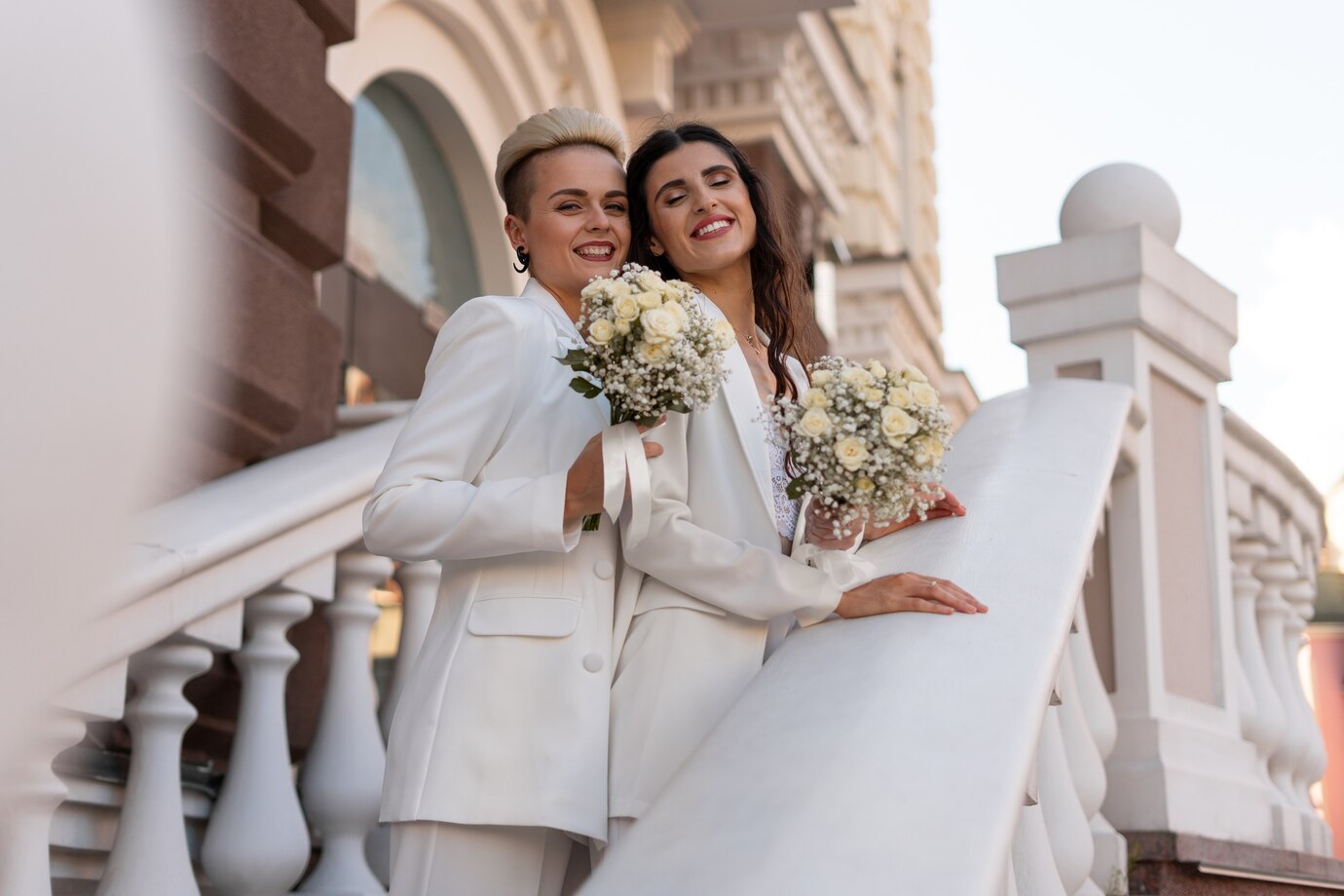
The Best Australian Bridal Designers of the Year
2024 has seen a shift in the bridal market, with many new and exciting designers inspiring and setting the trends for the modern bride. From classic silhouettes to daring designs, Australian bridal designers are leaving their mark on the industry and creating unique wedding dresses for all types of brides. Here is a list of the top Australian bridal designers of the year for 2024.
Graeme Black
Designer Graeme Black has been creating bridal garments since 1996 and has been well-known for his bold and modern designs. His dresses are all crafted from his bespoke range of silks, satins, tulle and lace, and he is constantly updating his collections to reflect the newest trends. His dresses cater for every type of bride, from the timelessly classic to the chic and modern.
Alice McCall
Alice McCall, a graduate from the Sydney Institute of Technology, is one of the most sought-after bridal designers in the country. Her signature designs are striking and memorable, and she always uses unique and beautiful embellishments to make her dresses stand out. Her gowns feature intricate detailing, delicate beading, and luxurious fabrics ranging from silks to chiffons.
Steven Khalil
Steven Khalil is one of Australia’s most iconic bridal designers, known for creating timelessly elegant pieces. His signature styles are luxurious yet understated, featuring delicate laces and intricate embroidery. He favours classic silhouettes and shapes, and is known for his beautiful detailing and attention to craftsmanship. His gowns are timeless and refined, perfect for the modern bride.
Lyle and Scott
Lyle and Scott, one of Australia’s most respected bridal designers, has been creating stunning dresses since 2010. Their dresses incorporate the finest fabrics, such as silks and chiffons, as well as unique embellishments and signature silhouettes. Their classic and contemporary designs are always elegant and tasteful, and are perfect for the classic and elegant bride.
Lisa Gowing
Designer Lisa Gowing has been creating luxurious bridalwear since 1992. Her unique designs are inspired by the modern bride and feature intricate beadwork and delicate laces. Her signature styles are classic, yet modern, and feature beautiful silhouettes. Her collections are perfect for the modern bride who wants to look unique and elegant on her big day.
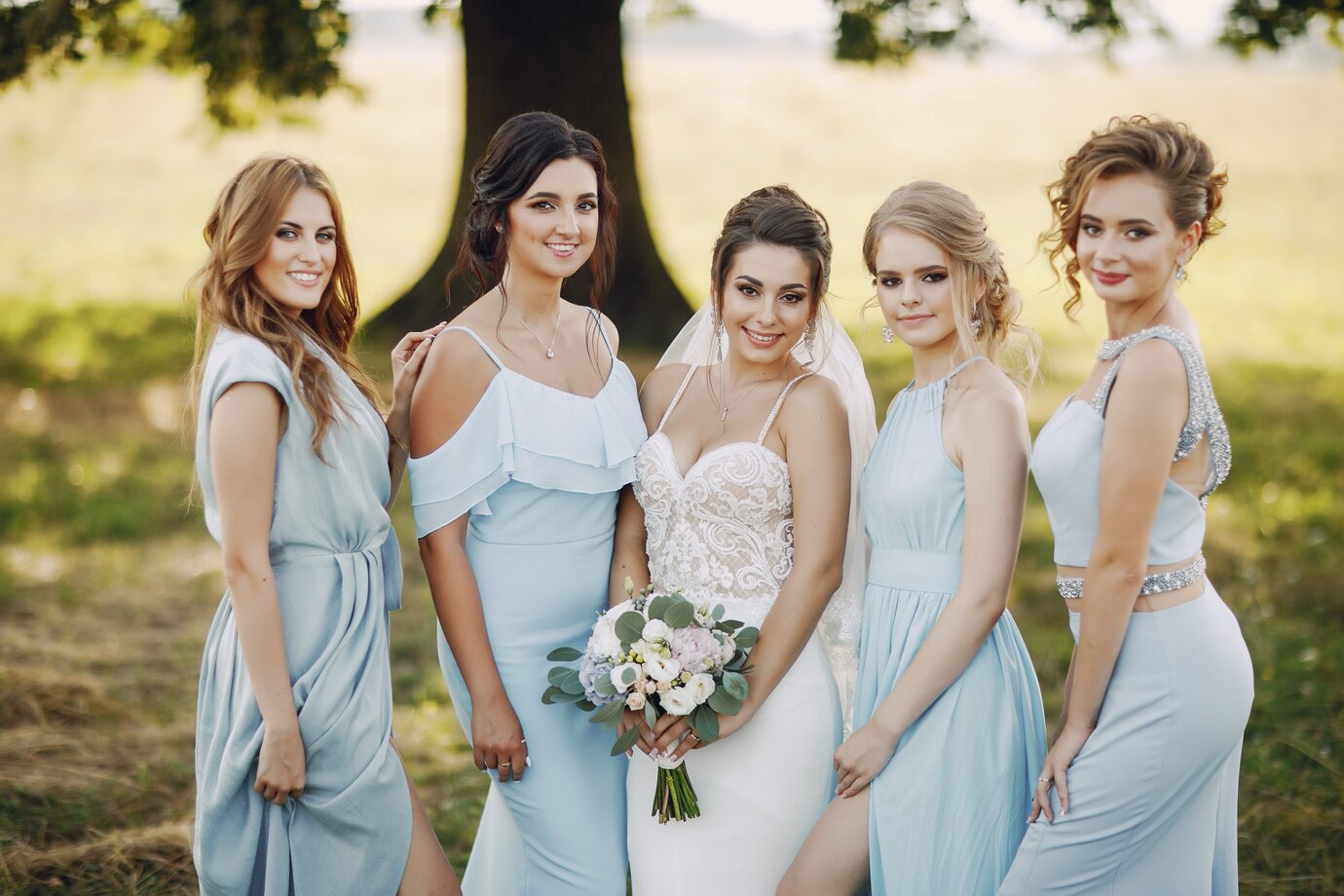
How Can I Meet Australian Brides Online?
If yes, then you have come to the right place. In this article, we will discuss how you can find and meet Australian brides for marriage and introduce you to the best online sites suitable for finding an Australian bride.
The Benefits Of Finding Australian Brides Online
- Finding an Australian bride online has numerous benefits.
- Connect with many different women from all over the world. This gives you the opportunity to have more options to choose from.
- You can take your time to get to know them better before deciding to take things further. You can even save money on travel expenses as you don’t have to be physically present to meet your future bride.
- Online dating sites provide an atmosphere free of judgment.
Tips for Finding Australian Brides Online Successfully
- Find an online dating site that caters to the needs of Australian brides. Make sure the site is reputable and has a good reputation.
- Fill out your profile honestly and in detail. Include images and write a few paragraphs to give people an idea of who you are.
- Finding the perfect Australian bride takes time. Don’t rush things or make hasty decisions. Take the time to get to know them before you make any commitments.
- Focus on the woman you’re talking to and pay attention to the conversations you’re having. Don’t get distracted by other women or allow yourself to get sidetracked.
- Keep your options open: It’s always good to keep your options open. Don’t commit to someone too quickly as you may discover someone else who is a better fit for you.
The Best Sites to Meet Australian Brides Online
If you’re looking for the best places to meet Australian brides online, here are some suggestions to get you started:
- Cupidfeel is an international dating site that is designed specifically to help you find brides from Australia. The site allows you to search for women according to their location and interests, so it is easy to find the right person for you.
- Aussielove is a popular Australian dating website that is home to thousands of brides in Australia. The website is easy to navigate, and the women all have detailed profiles that will give you an insight into who they are and what they’re looking for in a partner.
- If you’re looking for a trustworthy and reliable site to help you find an Australian bride, AustralianCupid is an excellent option. The website is full of singles from all around Australia and you can find your perfect match with ease.
Finding an Australian bride online can be a fun and rewarding experience. With these tips and the best sites, you will have all the tools you need to find the perfect match for you.